SAVE Wildlife
SAVE Wildlife
Wildlife Center of Salt Lake is launching an advisory committee to assist with program development in 2026. Watch us grow in this area, apply to be a part of the advisory committee, and donate to the development of initiatives to SAVE wildlife.
-
Wildlife Center of Salt Lake’s mission of Conserving Utah native species through science, education, and rehabilitation is achieved through our core values of science, conservation, and integrity, which are overseen by volunteer advisory committees. View our initiatives by category.
-
Avian window collisions occur when a bird collides, flies into, or otherwise strikes a glass window. Window collisions occur at high speeds when the bird is mid-flight during migration, when trying to escape from a predator, or simply because windows do not exist naturally and birds have not adapted, or are unable to adapt to perceiving them as solid objects. View window collision program details.
-
Birds share our urban environment and collide with windows on a daily basis. It is believed that artificial nighttime lighting attracts migrating birds to lit areas and puts them at risk for window collisions. Resources for light pollution.
-
This initiative is in devleopment
-
This program is in development
Through our partnership with local agencies, other non-profits, and integration of the Utah Wildlife Action Plan, we are moving forward in 2026 to contribute to education and resources to champion Utah’s wildlife and wild places.
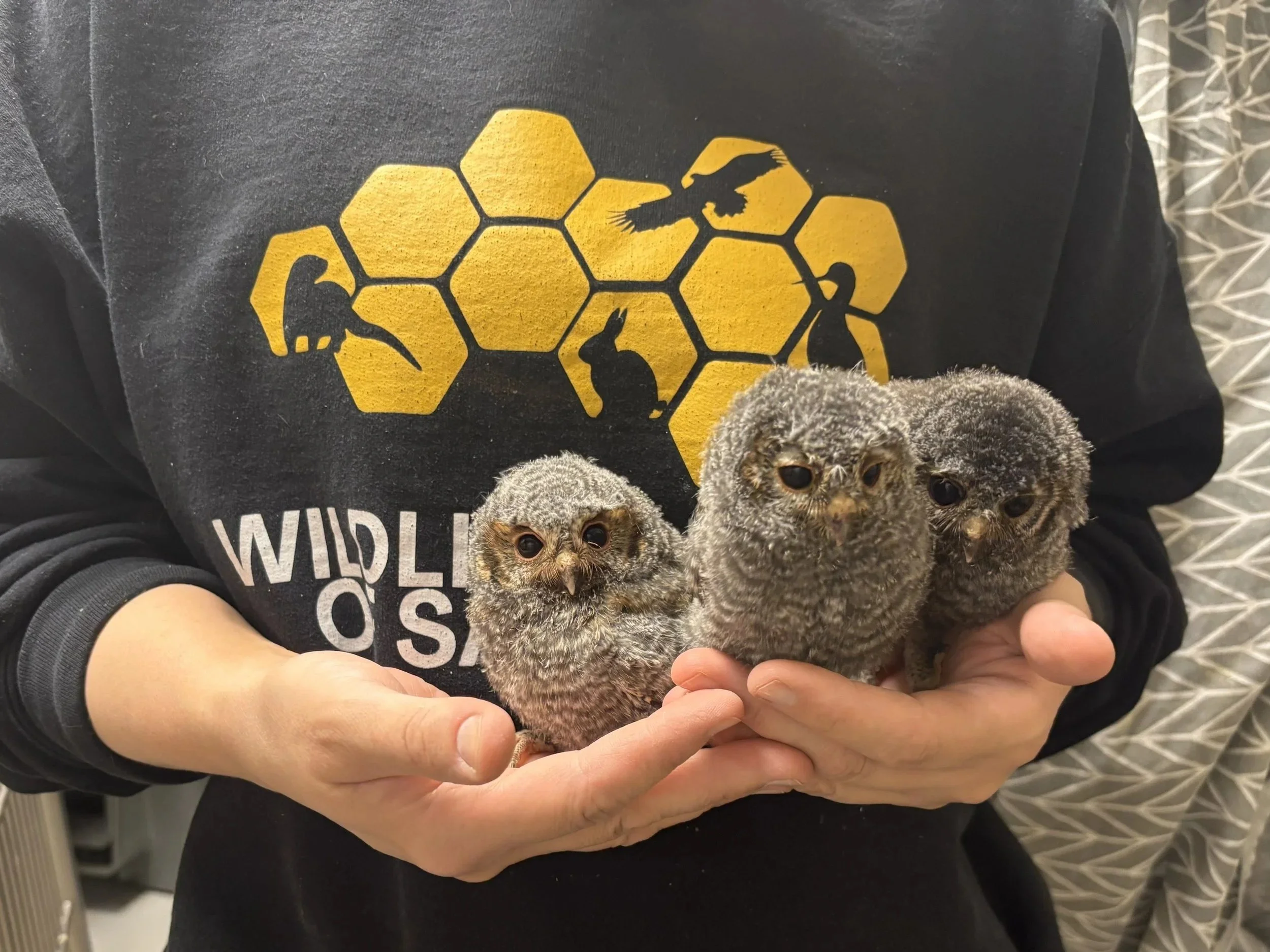
Humans and wildlife can and must live together in order for both our futures to be secured. We can seek out alternatives to traditional conflict management of human-wildlife interactions to avoid mishaps.
Click here for resources on how to decreased window collisions.
International Dark-Sky Association
Lights from cities cause migrating birds to be drawn to brightly-lit cities leaving them vulnerable to window-hits and other injuries. Spring migration for many migratory species is March 1st to June 15th with peak levels April 23rd through May 10th, where these birds are traveling to their breeding zones. Join the dark skies movement learn more about how to avoid human interference in migration.
Audio Resources
The Community Cats Podcast - Stacy LeBaron, host of The Community Cats Podcast, long-time TNR advocate/practitioner, and non-profit administrator, will share her experience and offer suggestions to address the most common situations that can arise when birds, raccoons, coyotes, and other species live alongside a managed community cat colony. Hear about how she navigated working with various agencies to promote TNR and learn about cases where both cat lovers and bird enthusiasts have come together to make it work for the benefit of all the animals – and people – involved.
Video Resources
If You Care, Leave It There: Dr Heather Barron speaks on helping baby birds -how to evaluate, return to parental care and when to bring baby birds into your local wildlife rehabilitation center. Permission to post this video was given by LafeberVet.
Can I Keep It?
Katie McInnis of the International Wildlife Rehabilitation Council blogs about the ethics and implications of keeping wildlife in our homes. Read it here.
Other Resources