SAVE Wildlife
Avian Window Collisions
Avian window collisions occur when a bird collides, flies into, or otherwise strikes a glass window. Window collisions occur at high speeds when the bird is mid-flight during migration, when trying to escape from a predator, or simply because windows do not exist naturally and birds have not adapted, or are unable to adapt to perceiving them as solid objects.
Conservation Concern
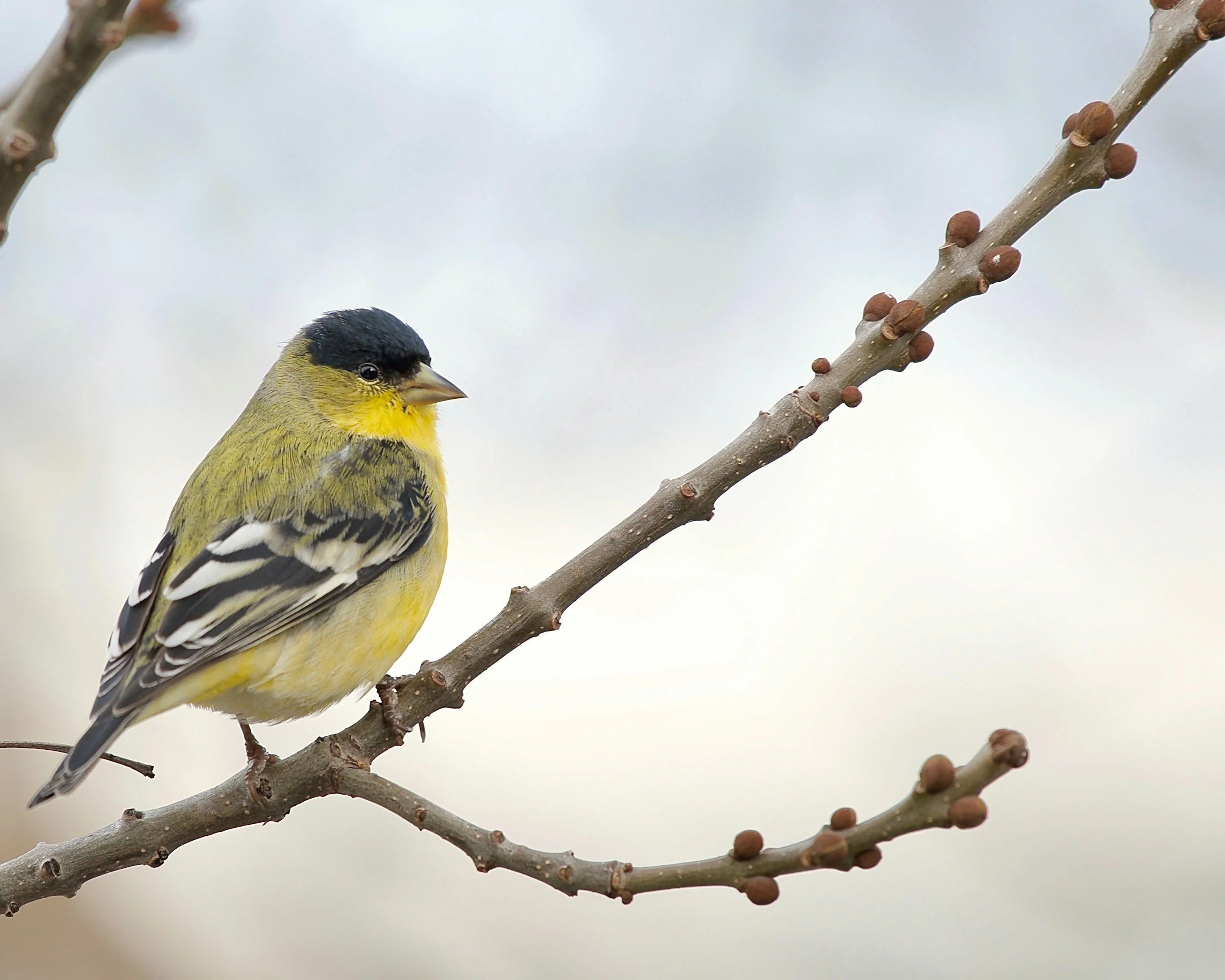
It is estimated that over 1 billion birds are killed by building collisions annually in the United States.(1)
But why should we care? Nearly all US native songbird populations are in decline. These are important animals for environmental diversity, pollination, and they contribute to agricultural and environmental health through insect control and nutrient recycling. Songbirds are important to the overall health of the world we live in.

You can Take Action
-
Window treatments are the most direct way that you can reduce collisions. Click here to view window treatment options.
-
Nighttime lighting has been shown to attract birds to the area which interferes with their migration and increases their likelihood to collide with windows. The DarkSky initiative and other lights-out initiatives advise to turn off non-essential lights and install downward-facing lighting. When you search for outdoor light fixtures you can search for “dark sky friendly” fixtures which help reduce light pollution (and saves you on your power bill). Click here to learn more about light pollution and steps to reduce it.
-
Participate in reporting to organizations that are collecting data. Data is important because it drives change. Report window collisions to the Tracy Aviary’s Salt Lake Avian Collision Survey. Each data point can highlight how important this conservation issue is.

Wildlife Center of Salt Lake Takes Action
WCSL addresses avian window collisions through a focused, two-part program that combines data sharing with public education and outreach.
WCSL documents bird admissions resulting from window collisions, collecting standardized information such as species, date of collision, location, time of day, direction, and outcome.
Part One
WCSL shares intake data with our partner organization, Tracy Aviary for their Salt Lake Avian Collision Survey. Tracy Aviary will continue to gather and qualify data for the next several years with the goal of informing management decisions in identified problem areas.
Part Two
This part of the program centers on education and outreach informed by our rehabilitation data. We aim to engage community members, property owners, and institutional partners with science-based information on the impacts of avian window collisions and how they can be reduced or prevented. Outreach activities include presentations, printed and digital resources, and direct guidance on proven mitigation techniques such as external window treatments, screens, and bird-friendly design practices. Together, these efforts transform rehabilitation data into practical conservation action, reducing preventable wildlife harm and supporting bird-safe initiatives.
Other Resources on Window Collisions
Kornreich A, Partridge D, Youngblood M, Parkins K. Rehabilitation outcomes of bird-building collision victims in the Northeastern United States. PLoS One. 2024.
Tracy Aviary. Salt Lake Avian Collision Survey. 2025. https://tracyaviary.org/conservation/our-projects/salt-lake-avian-collision-survey